Product categories

Contact Us

Let’s help you!

+86-18939199715

elma@agrichemistry.com

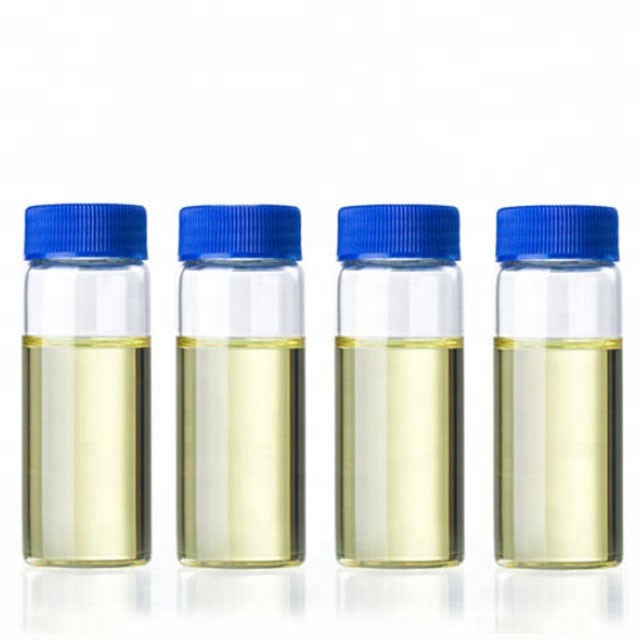
Agrochemical Product Chlorpyrifos (97%Tc, 48%Ec, 40%Ec) for Pesticide Control

Agrochemical Product Chlorpyrifos (97%Tc, 48%Ec, 40%Ec) for Pesticide Control

Classification: Insecticide, Insecticide
PD No.: 2921-88-2
CAS No.: 2921-88-2
Other Names: chlorpyrifos
MF: C9H11Cl3NO3PS

Share product

Share on facebook
Share on twitter
Share on linkedin
Share on vk
Share on whatsapp
Description

Chlorpyrifos

Chlorpyrifos is a kind of crystalline organophosphate insecticide, acaricide and miticide used primarily for the control of foliage and soil-borne insect pests in many kinds of food and feed crops. Chlorpyrifos is widely used around the world to control pest insects in agricultural, residential and commercial settings. Its largest usage amount is consumed in corn. It can also be used on other crops or vegetables including soybeans, fruit and nut trees, cranberries, broccoli, and cauliflower. The non-agricultural applications include golf courses, turf, green houses, and no-structural wood treatment. It can also be used as a mosquito adulticide, and used in roach and anti bait stations in child resistant packaging. Its mechanism of action is through suppressing the nervous system of insects via inhibiting acetylcholinesterase.

Description

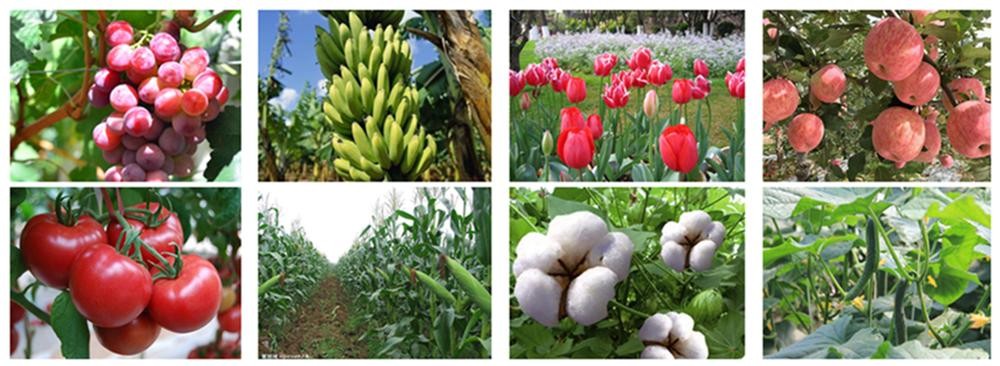
Mode of action Non-systemic insecticide with contact, stomach, and respiratory action. Uses Control of Coleoptera, Diptera, Homoptera and Lepidoptera in soil or on foliage in over 100 crops, including pome fruit, stone fruit, citrus fruit, nut crops, strawberries, figs, bananas, vines, vegetables, potatoes, beet, tobacco, soya beans, sunflowers, sweet potatoes, peanuts, rice, cotton, alfalfa, cereals, maize, sorghum, asparagus, glasshouse and outdoor ornamentals, turf, and in forestry. Also used for control of household pests (Blattellidae, Muscidae, Isoptera), mosquitoes (larvae and adults) and in animal houses. Phytotoxicity Non-phytotoxic to most plant species when used as recommended. Poinsettias, azaleas, camellias, and roses may be injured.

contact us