




As in Metarhizium anisopliae, where you come from: fungal insecticide. Representative species include metarhizium beetle, metarhizium Roberts and metarhizium locust. Different species have different insecticidal ranges. For example, metarhizium beetle is a broad-spectrum insecticidal fungus, while metarhizium locust can only infect orthoptera insects such as locusts. In nature, different kinds of metarhizium species mainly reproduce asexually, and their sexual reproduction stage is identified as Metacordycpes, which belongs to cordyceps generalis.
The application of metarhizium locust to control grassland locusts in China and metarhizium locust to control grasshoppers in North America has been successful.
Metarhizium belongs to the phylum ascomyceae, mycetaceae, ergococcaceae and metarhizium, which is a kind of broad-spectrum insect pathogenic bacteria.
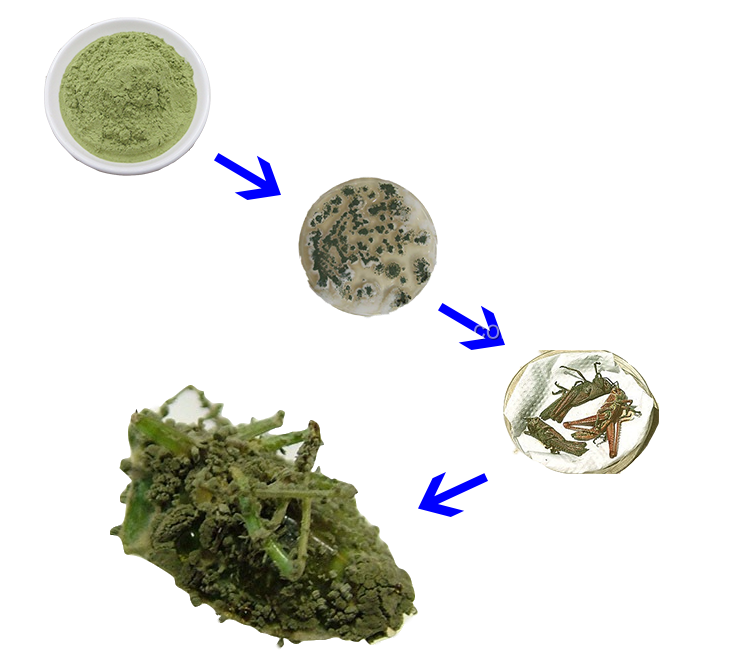
A class of insecticidal fungi, which can be parasitic on a variety of pests, enter the body of pests through the body surface invasion, and increase and reproduce in the body of pests through the consumption of nutrients, mechanical penetration, and the production of toxins, and continue to spread in the pest population, causing the death of pests. Metarhizium metarhizae has certain specificity, harmless to human and livestock, and has the advantages of no pollution, no residue, no resistance to pests and so on.
|
Parameters
|
|
|
English name
|
Metarhizium anisopliae
|
|
Product name
|
Metarhizium anisopliae
|
|
Scientific name
|
Metarhizium
|
|
EINECS No.
|
231-764-5
|
|
Properties
|
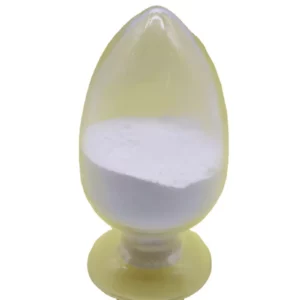
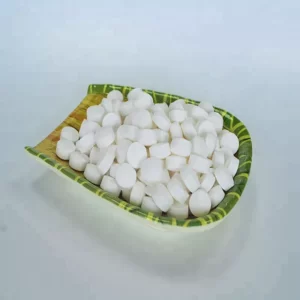
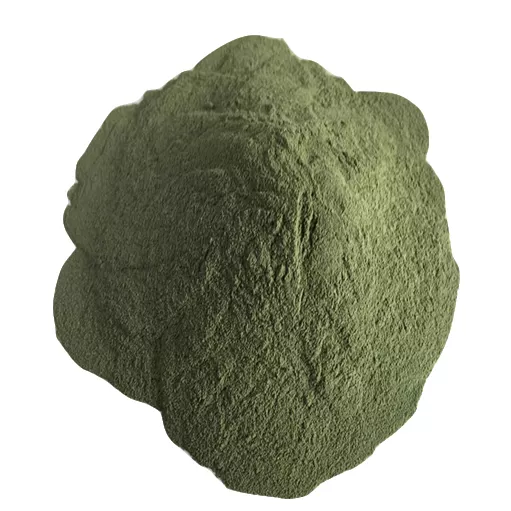
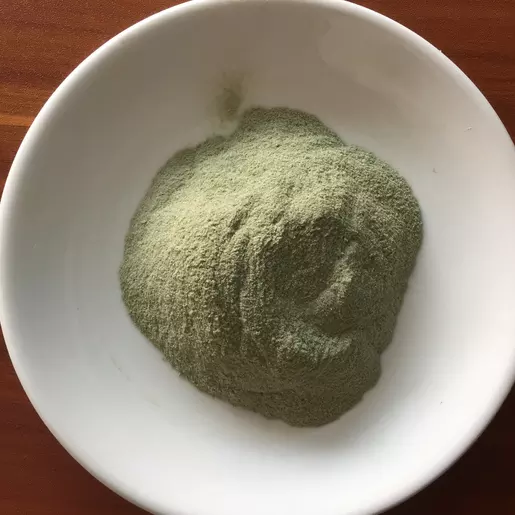
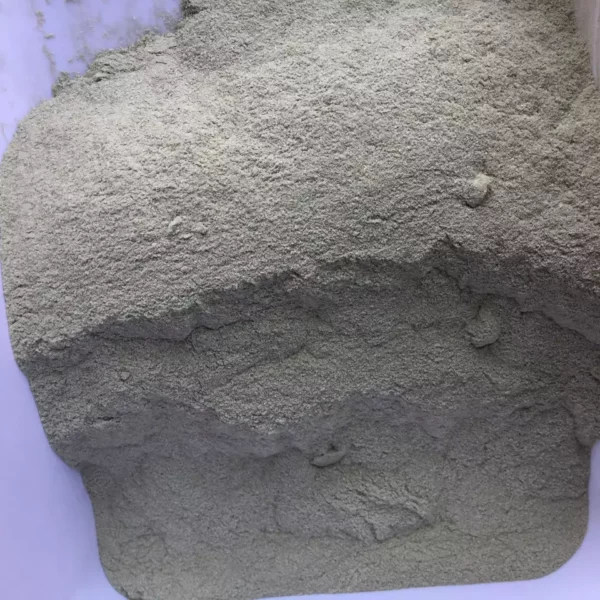
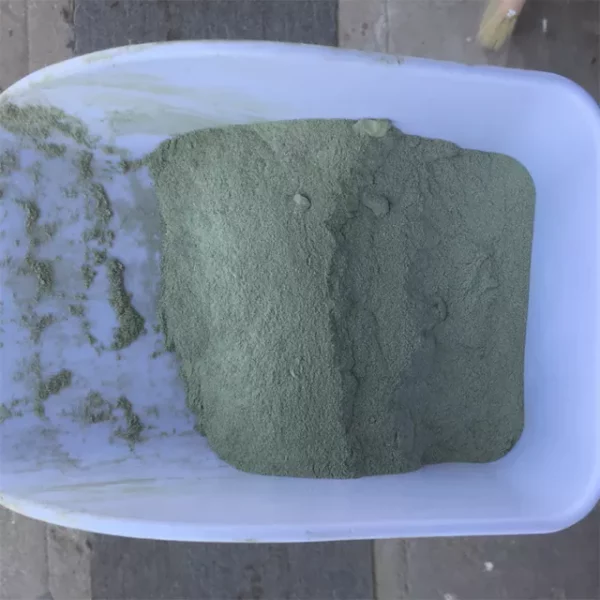
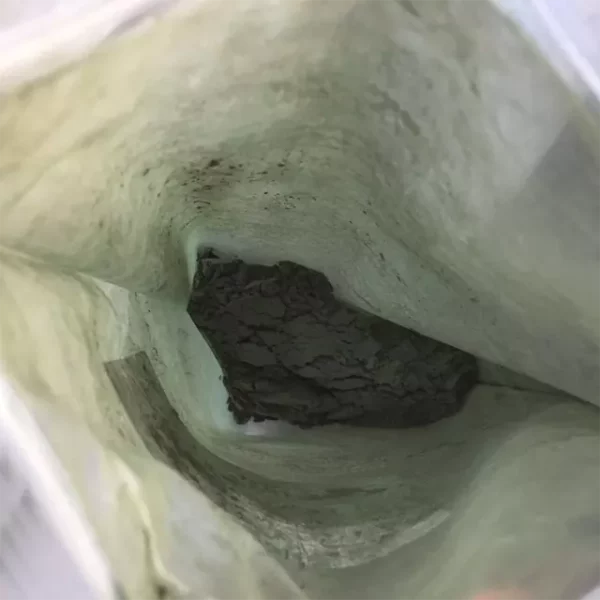
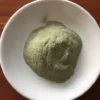
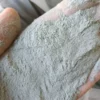
This agent is a live fungus insecticide, the shape of fungus is close to penicillium. The colony is villous or cotton-like, initially white and green when spores are produced. The preparation is made from concentrated spores absorbed by adsorbent. The appearance color varies with the sorbent type and the moisture content is less than 5%. The germination rate of conidia is above 90%.
|
|
Appearance
|
Powder (containing spores 2.3 billion-2.8 billion live spores /g)
|