+86-18939199715
elma@agrichemistry.com
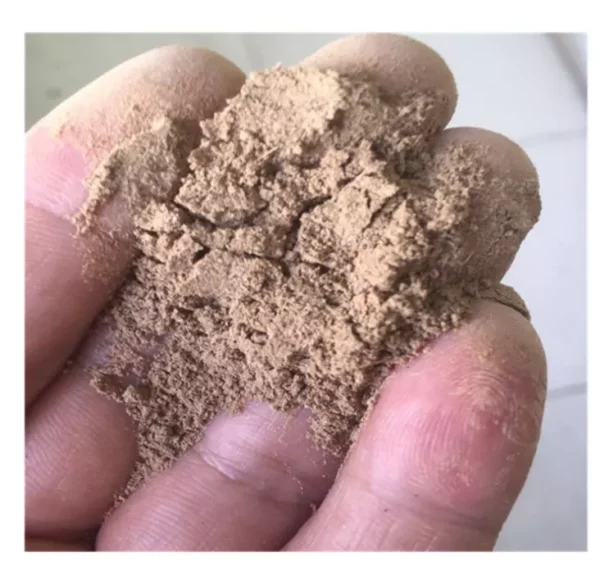
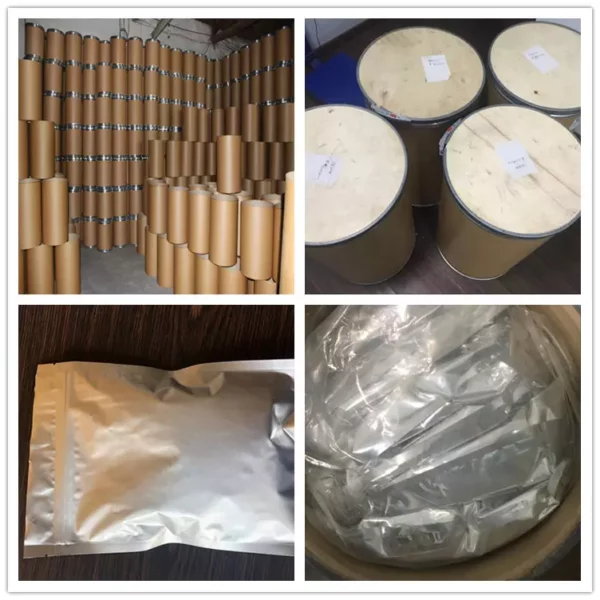
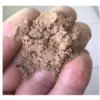
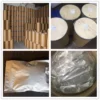
| Classification: | Biological Fertilizer |
| CAS No.: | NO |
| Other Names: | bacillus amyloliquefaciens |
| MF: | NO |
| EINECS No.: | NO |
The mechanism of action of Bacillus amyloliquefaciens includes secretion of antimicrobial substances, antagonism, competition between nutrition and space, induction of host resistance and promotion of plant growth. 1. Secretion of antimicrobial substances: Producing low molecular weight antibiotics, antimicrobial proteins or polypeptides and other active substances, inhibiting plant pathogens, and promoting plant growth as rhizosphere bacteria. Lipopeptide antibiotics with small molecular weight and good thermal stability, including D-amino acids, protease hydrolysis tolerance and organic solvents were synthesized through non-ribosomal pathway, which played a major role in the inhibition of plant pathogenic bacteria, fungi, viruses and nematodes in biological control applications. 2. Antagonism: Microorganisms produce antimicrobial substances through assimilation to inhibit the growth or development of harmful pathogens or directly kill pathogens. Direct interaction with pathogenic bacteria. In addition to producing secondary metabolites such as antibiotics, a series of extracellular hydrolytic enzymes play an important role in the inhibition of pathogens. 3. Competition of nutrition and space: It can quickly occupy the nutritional space of fruit and vegetable wounds to grow, survive and multiply, and consume the nutrition of wounds as quickly as possible, so that pathogens can not reproduce without proper nutrition and space conditions, thus inhibiting the occurrence of diseases. 4. Induce host resistance: When plant tissues are subjected to mechanical damage or pathogenic bacteria infection, a series of physiological and biochemical reactions will be spontaneously produced in vivo to resist the damage of these factors to itself. Bacillus amyloliquefaciens can induce this natural defense function of plants. 5. Promoting plant growth: Bacillus amyloliquefaciens can produce gibberellin, indole acetic acid, cytokinin and other physiological active substances and amino acids, promote plant root and plant growth, enhance plant disease resistance, thereby indirectly reducing the occurrence of disease.