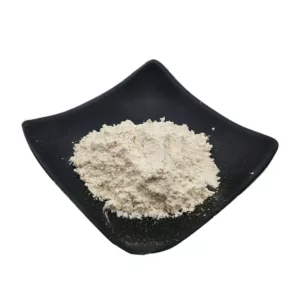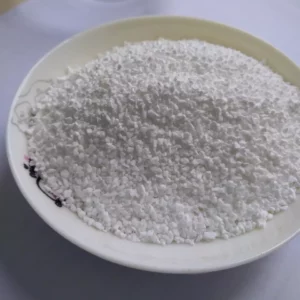
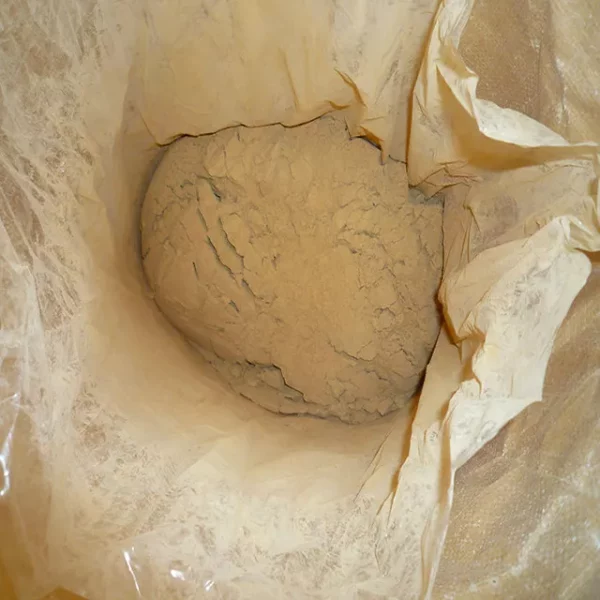
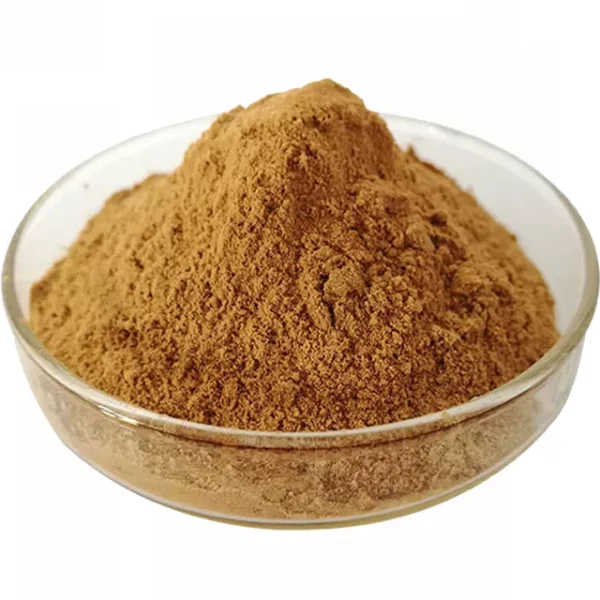



1. Promote plant root growth, enhance root absorption ability, and thus improve crop yield;
2. Inhibit the growth of pathogenic bacteria inside and outside plants, reduce diseases and insect pests, and reduce pesticide residues;
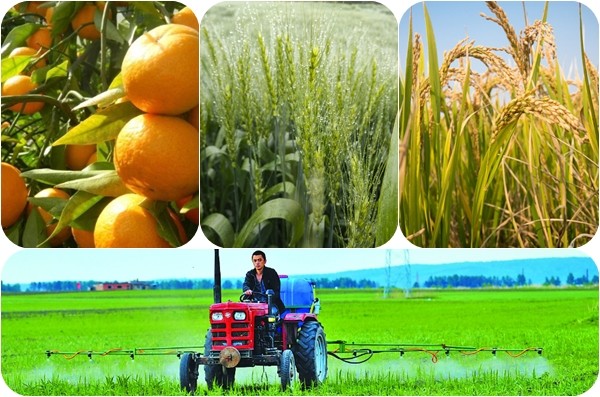
3. Increase plant disease resistance: it can improve the effective use of nutrients in the soil, improve root growth and nutrient absorption, strengthen the resistance of crops to adverse environment, and reduce the application of pesticides. Prevent the occurrence of soil diseases, reduce continuous cropping obstacles and other problems, so as to achieve the effect of soil improvement.
4. Lower production cost: increasing beneficial microorganisms in the rhizosphere can make the available phosphorus fertilizer fixed in the soil be used again, while reducing the application of chemical fertilizers and improving farmers’ income.
5. Reduce environmental pollution: excessive use of chemical fertilizers will cause soil pollution and affect biological balance. The application of soil microorganisms can reduce the use of nitrogen and phosphorus fertilizers in large quantities and minimize environmental pollution.
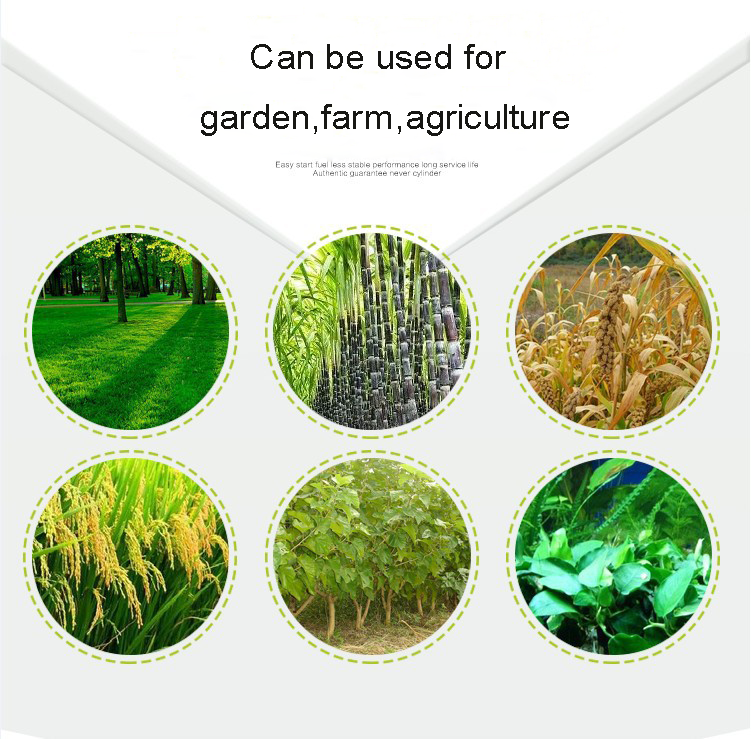
The content is 100×108CFU/g, and the dosage of other products can be converted according to the actual content.
1. Fermented organic fertilizer: used together with bacillus subtilis and other microorganisms, adding 0.1% to 0.5%.
2. Preparation of organic fertilizer: use this product to mix 3-5kg/ mu with farm manure, chemical fertilizer or appropriate amount of fine soil for bottom application or topdressing. Transplanting crops can also be point or ditch application. When applying fertilizer mechanically, mix the product with chemical fertilizer, which can be applied into the soil. Or spray directly with water.
3. On the seedbed: for each standard seedbed, mix 40-50 grams of this product with the seedbed soil evenly and then sow.
4. Potted flowers: 2-3 grams of this product can be used per kilogram of soil.